Waxes have been used for centuries for waterproofing paper & textiles, release agents,
candles, inks and polishes as well as protective coatings. Currently, there are many different
products which are classified as waxes (products that are a solid at room temperature and a
free-flowing liquid at elevated temperatures).
Table of Contents
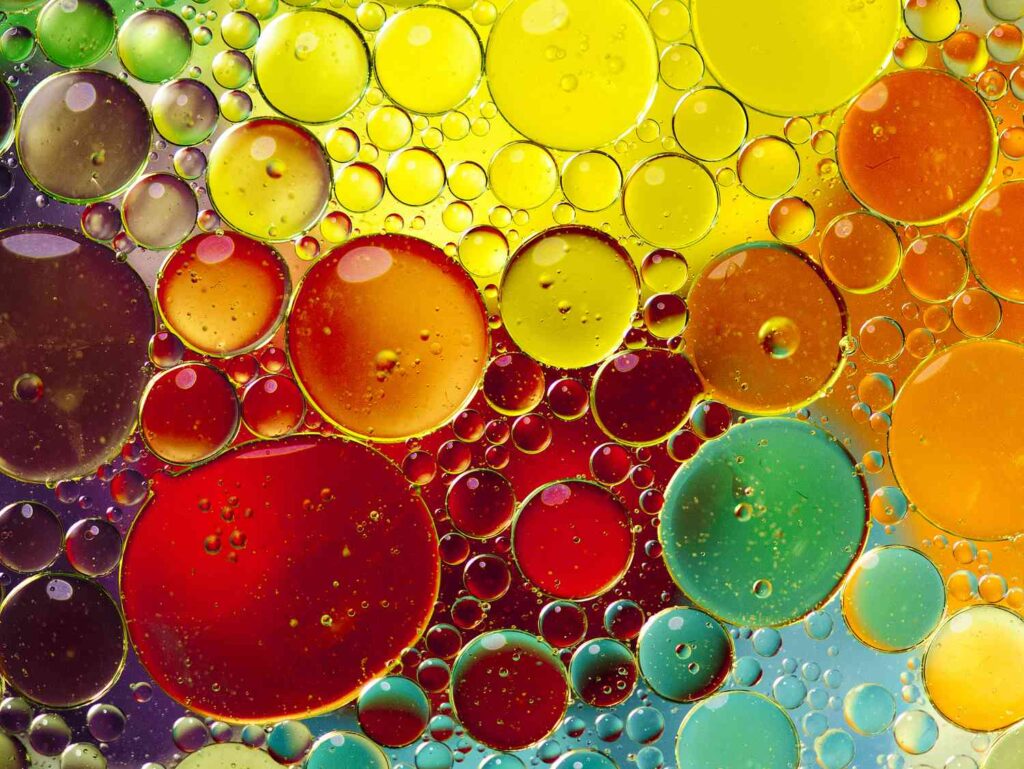

Our speciality is in taking these typically hydrophobic compounds and making water-based emulsions using low surfactant technology so that they exhibit more of the wax-like properties but can easily be blended with other materials.
These emulsions can be used for many applications including polishes,
coatings, polishes, inks, mould release and leather coating to name but a few. Waxes can help the formulator improve or modify:
Water resistance, Adhesion, Rub resistance, Release, Slip, Anti-blocking, Lubricity, Gloss Waxes can be classified as Natural, Refined or Synthetic.
Natural Waxes
Natural waxes can be derived from animal/plant sources such as beeswax, candelilla, and
carnauba, or mined such as montan wax.
Carnauba Wax
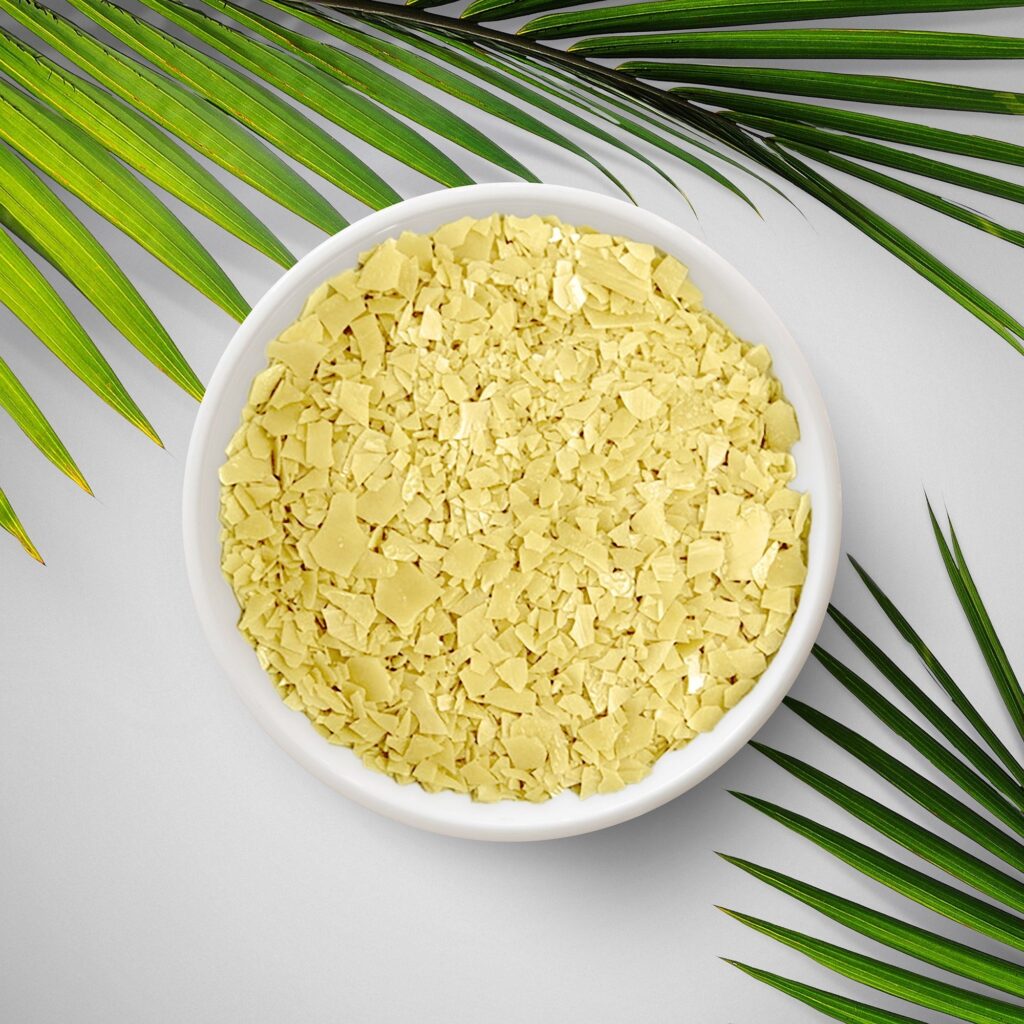
Carnauba is natural vegetable wax which occurs as a protective coating on the leaves of Copernicia Cerifera, a species of palm tree native to Brazil. Carnauba is a hard, brittle wax which melts at 6°C/187°F. Carnauba emulsions have broad FDA approvals.
Carnauba emulsions are used in coatings, furniture polishes, release agents, latex products and to adjust the tack of an adhesive.
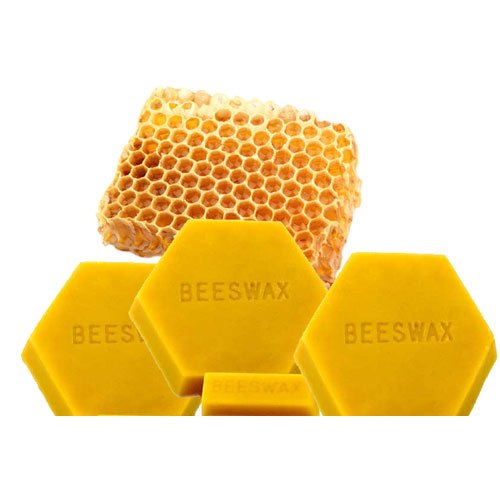
Beeswax
Beeswax is a natural wax produced in the hive of honey bees of the genus Apis. It
is mainly an ester of fatty acids and various long-chain alcohols. Beeswax can be used in
creams, candles and polishes giving unique properties such as enhanced gloss.
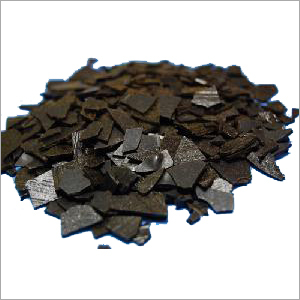
Montan Wax
Montan is a mineral wax derived from Lignite, a brown coal derived from
wood and plant matter and found primarily in German Lignite mines. The material is refined and maybe esterified before being emulsified. Montan can be used as a Carnauba substitute and is light in colour with good release and polishability.
Refined Waxes
Refined waxes are derived from crude oil and are available in several forms from slack
waxes to paraffin wax and microcrystalline wax. These differ in melting point from around
30 to 80 O C.
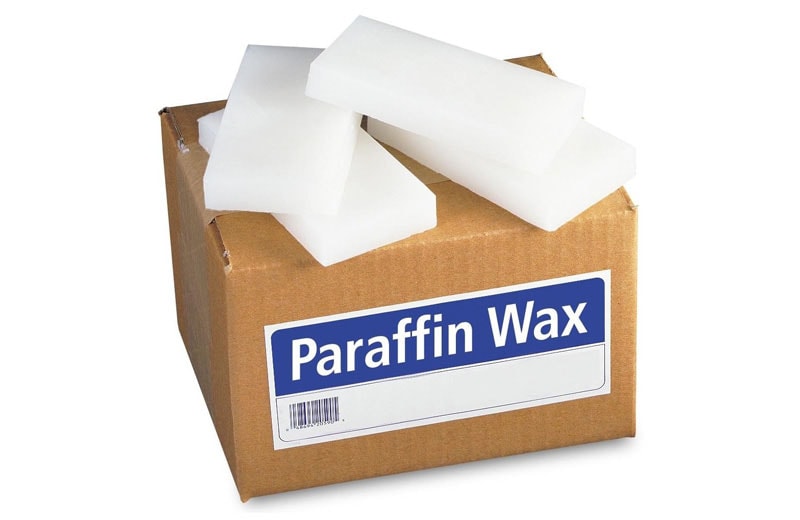
Paraffin Wax
Paraffin wax is a by-product of refining crude oil and is available in a range
of melting points from 45 to 70°C. Paraffin is most commonly used in candles and paper coating.
Using WaxTech’s technology we can offer products which are much harder and have increased gloss over conventional mulsions. Paraffin emulsions are used for
water resistance, anti-blocking release and barrier properties in paint and coatings.
Microcrystalline Wax
Microcrystalline waxes offer better adhesion & flexibility than
paraffin waxes and has a slightly higher melting point due to a higher concentration of branched hydrocarbons. They are frequently blended with paraffin waxes to change the opacity melting point, adhesion and slip properties. These products are often used in tyre/rubber, candles, adhesives, corrugated boards, cosmetics, castings, and a host of other industries.

Synthetic Waxes
Synthetic waxes are produced primarily from the Fisher Tropsch process or polymerised
from ethylene. These materials are less variable than natural products but are more brittle.
Synthetic waxes tend to have increased hardness and better gloss than their natural wax
counterparts.
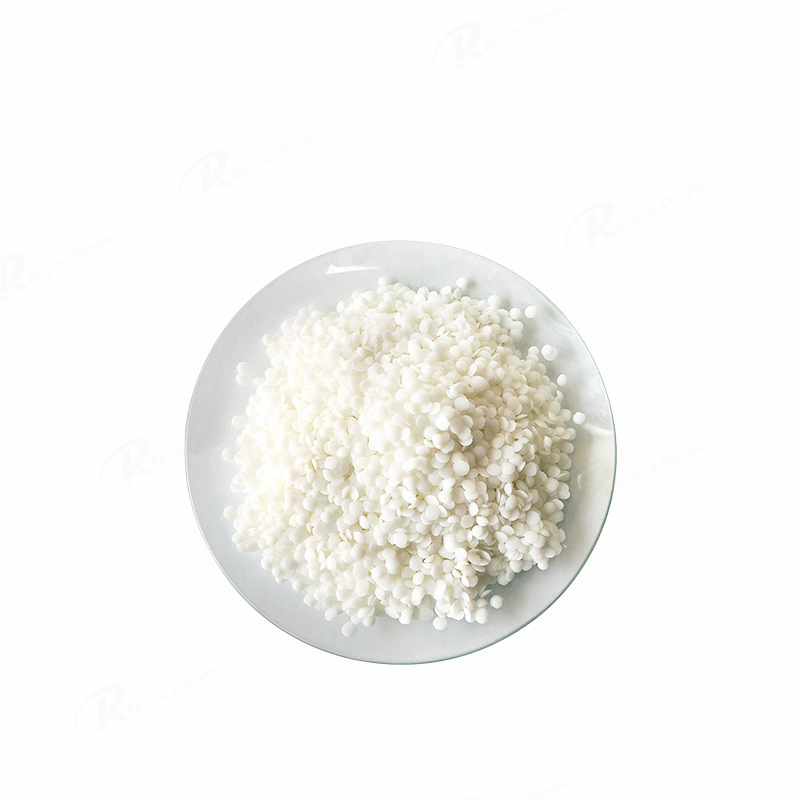
Fischer–Tropsch Wax
Fischer–Tropsch synthesis is a collection of chemical reactions that converts a mixture of carbon monoxide and hydrogen into hydrocarbons.
The hydrocarbon is a straight-chain material and is frequently used in hot melt applications (sharp
set off) or inks where it provides good “scuff” and “mar” properties.
WaxTech technology maintains the properties of the wax and can offer enhanced hardness which would normally only be expected from much higher melting point materials such as polyethylene and
polypropylene.
Polyethene Wax
The polyethene we use is either oxidized or co-polymerized with acrylic acid to give the polyethene chemical functionality which allows it to be emulsified.
Polyethene is classified as either high-density polyethene (HDPE) or low-density polyethene (LDPE). HDPE is higher melting (110°C-140°C/230°F-284°F) and is harder. HDPE is used to improve rub resistance, slip and anti-blocking.
LDPE is lower melting (100°C-110°C/212°F-230°F) and softer. LDPE is used for lubricity, release, and rub resistance and as a coefficient of friction modifier.


Ethylene-Acrylic Acid (EAA)
EAA co-polymer properties are more resin-like than wax. These polymers have high acrylic acid content and have excellent adhesion on a wide range of substrates. EAA are excellent film formers with good barrier properties. Because of their broad FDA approvals, these products can be used in food packaging applications.
Emulsions
An emulsion is a mixture of two or more liquids that are normally immiscible (non-mixable or unblendable). Emulsions are part of a more general class of two-phase systems of matter called colloids.
Although the terms colloid and emulsion are sometimes used interchangeably, emulsion should be used when both the dispersed and the continuous phases are liquids. In an emulsion, one liquid (the dispersed phase) is dispersed in the other (the continuous phase).
Examples of emulsions include vinaigrettes, milk, mayonnaise, and some cutting fluids for metal working. Two liquids can form different types of emulsions. As an example, oil and water can form an oil-in-water emulsion, where the oil is the dispersed phase, and water is the continuous medium. Alternatively, by changing the surfactants, they can form a water-in-oil emulsion, where water is the dispersed phase and oil is the external phase. Emulsions contain both a dispersed and a continuous phase, with the boundary between the phases called the “interface”. Emulsions appear white when all light is scattered equally but as the particle size of the dispersed phase reduces the emulsion becomes more translucent.
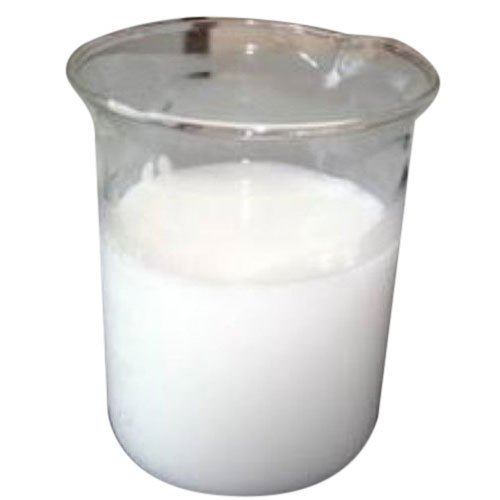
WaxTech has developed technology that reduces the amount of surfactant or emulsifier in the
formulation which results in more of the wax properties being transferred into the emulsion than
with conventional emulsions.
As a result, the WaxTech emulsion tends to be harder, and more water-repellent and has better slip and scratch resistance than similar wax emulsions with much higher melting points.
Applications for Wax Emulsions
Speciality coatings
Speciality paper coating including water-based moisture barrier coating for corrugated boxes,
chipboard, clay-coated kraft and kraft paper. This line of products not only locks out water but also
reduces the transmission of water vapour (MVTR) resulting in water-resistant products that can be
used for a variety of applications including frozen meat packaging, multi-wall bags, poultry boxes and
other packaging solutions.
Concrete Release Agents
WaxTech supplies a range of release agents that are environmentally friendly and biodegradable.
The products operate at low temperatures and are suitable for coating or spraying onto various
substrates resulting in excellent release properties.
Polishes
Wax polishes provide a high degree of protection without the need for silicones or other additives.
WaxTech can offer a range of natural wax emulsions such as Carnauba, Beeswax or Montan wax
which can be blended with polyethylene, paraffin waxes, microwaxes, and pigment to formulate a
polish.
Anti-Blocking
A blend of synthetic or natural waxes which can be added to formulations such as adhesive coating
to stop the adhesive from binding to itself and blocking
Anti-Graffiti Applications
Sacrificial coating – WaxTech supplies a range of coating which when applied to surfaces makes the removal of graffiti much quicker and easier.
The material is specifically formulated to have the best rheological properties so that it can be spray or brush-coated onto surfaces leaving a translucent finish.
The coatings can be applied to most surfaces including porous and painted substrates leaving an invisible breathable coating.
Inks Wax emulsions can impart excellent rub, scratch and mar resistance to inks.
The low emulsion technology used to emulsify the waxes allows the hardness, slip and other properties of the wax to impart the benefits often seen from only polyethene and polypropylene waxes.

Other Applications
WaxTech has experience in working with a wide range of applications and has a track record of working
in partnering with organisations to produce product solutions for bespoke markets if you have any questions please use the Contact Us page